Scraps
The magazine had been torn down the middle of a sea-side dark chocolate ad and the fragment framed against a white mat, planted and glued and sitting on the end table by the couch. He had no pictures of her left in the house. But this, he couldn’t part with.
“She didn’t want it,” David said, “when she left.”
Truman was standing by the bookshelf putting books in boxes. He was packing up the house while David wandered through the rooms and marveled at the molding. It felt wrong to stay. This was their house. Him, her.
“I’m going to take these to the truck,” Truman said. “Maybe pack something while I’m gone.”
David picked up the picture frame. The overhead lights burned yellow and he could see them glinting against the glass, and there, faint and tired and ragged, was his face. He had been avoiding mirrors, avoiding windows on buildings. But there he was, making cathedrals of the past.
***
The magazine was sitting on the coffee table, and Melanie was yelling. It was their first year in the house, the first year of their marriage, and high tides were threatening the cliffsides.
“You don’t fucking listen to me,” Melanie said. “You don’t listen, you’re just lost, even now, right now, are you listening to me?”
David was smiling.
“See, David, this is what I’m talking about. What goes on in your mind that is so important you can’t comprehend the things I’m saying to you?”
They were fighting about the cap of the toothpaste, the empty milk carton in the fridge, now moved to the counter, over the last glass of wine, not split and stolen instead. They were tipsy, drunk, and this was their first real fight, and David basked in the glory of his future with this woman, the life they would live together.
“What’s it gonna take?” Melanie said. “Huh?” She picked up the magazine and began tearing pages out in front of him. “Are you listening? Does this get your attention?”
She began balling them up and throwing them at him, and in all her anger she started to laugh. She couldn’t stop it from bubbling over, and David was still smiling, letting the balls of supercalendered paper bounce off his chest and fall to the floor, and there they were, laughing and crying and tossing balls of articles and advertisements across the living room.
Finally she ripped the seaside chocolate ad out and tore it to shreds and screamed.
“Are you done?” David asked.
“Yes, David,” she said. “I’m done.” Then she walked over to him and buried her head in his chest, balls of paper around their feet, and he stroked her hair, kissed the side of her head.
“I’ll do better,” he said. “I’ll do better.”
After she fell asleep, he snuck out and grabbed a scrap from the floor. He picked the rest up and threw them away. But that one, he kept. Later on, he had it framed and gave it to her as an anniversary gift.
“That fight is one of my cherished memories,” he said, “and now it’s yours to keep forever.”
***
It was a few months after she moved out and she sat underneath a heat lamp, kanapes and a chilled bottle of white wine on the table, her back ached against the wicker chair. The man across from her was taller and younger and had deep brown eyes, a smirking half-smile painted on his face.
“What’s the best gift you’ve ever received?” he asked.
She was staring at the street. She could feel him looking at her and waiting for an answer, and she thought back to the night she came home to David, to the empty carton in the fridge, the cap left of the toothpaste. How mad she was. How many times had she told him? She was ripping into him, yelling across the room, and he sat smiling, goofy and gratified. She would’ve done anything to get a rise out of him, and she remembered reaching for the magazine and tearing it to shreds, throwing them at him, and she remembered how ridiculous it all felt, trivial and stupid, because she was in the house with the man she loved, and she was young, and she would never be young again. She started to laugh.
“I don’t know,” she said, and turned back to the man. “Probably just this necklace.”
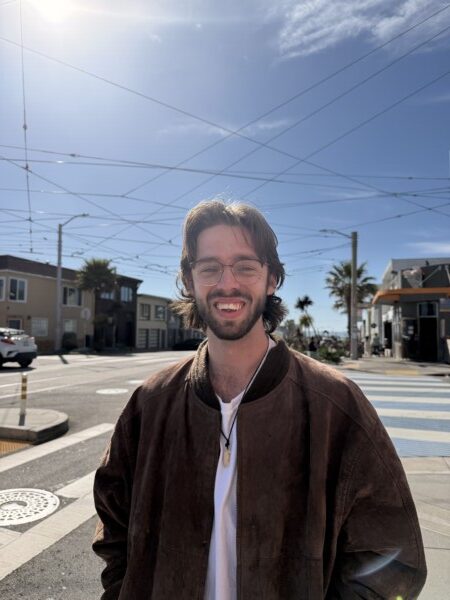
Miles De Rosa is a second-year MFA candidate in fiction at Arizona State University. Originally from Oakland, California, Miles attended Susquehanna University in rural Pennsylvania for undergrad, where he earned a BA in creative writing and was recognized as an outstanding senior. His work has appeared previously in ZiN Daily and Northern Spy. He is sustained by a love of music, books, and baseball, and devotes much of his free time to all three.