The Cup
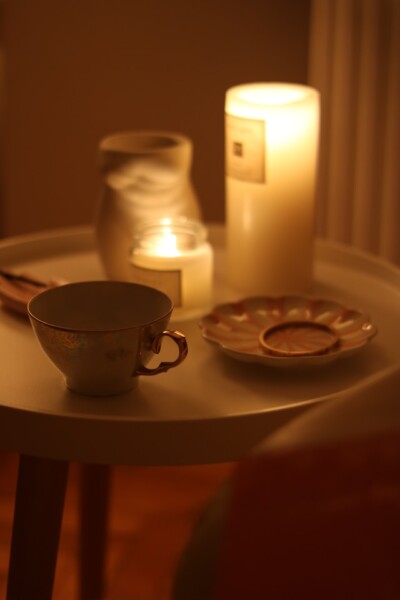
After sex, my new lover thirsts, but all the cups are downstairs in the kitchen, except yours—it
sits on my dresser now, vesselling receipts and ticket stubs from special things I’ve done with
him (not you). I empty it, rinse out the dust, and fill it from the bathroom sink, delighting in the
eager, drinking pulse of my new lover’s throat as he downs the pondish, unfiltered water you
would, in your fussy way, have refused.
(I never meant to keep your cup. I’d overlooked it when smashing and shredding the small, sad
pile of things you gave me in two years—a vibrator that didn’t satisfy; a chipped plate you
swiped from work; a charcoal sketch you did of me that neither resembled me, nor conveyed any
passion on the artist’s part. I mailed you this mess in lieu of final words, savoring the idea of you
unboxing my pain’s chaos into the neatly ordered world in which I’d demeaned myself by
treading so carefully. But when I discovered your cup, still intact on my desk, I found I couldn’t
break this last thing, the first thing you’d given me. You bought it from a pottery shop café that
you’d driven three hours each way to visit on your fifty-fourth birthday, a day on which I
accepted your need for solitude, grateful for the warmth of your voice when you called and said,
I’m in my happy place. I want to share it with you someday. But the more I craved you, the more
you craved the scents and shadows of women both like and unlike me, which appealed more to
you than autonomous flesh with its own desires, its own demands. The cup was your only gift
suggestive of real care—you knew I loved big, beautiful cups for my tea, and this cup was a
massive, silver-glazed, noble-handled and singular object, because the potter who made it makes
nothing shy or delicate, and no two things the same.)
And now, I watch my new lover drink water in the same joyous way he drinks me, knowing he
will fill me back each time, as you did not, because an empty cup was the best you had to offer.

Francesca Leader’s poetry and CNF have been published in One Art, Abyss & Apex, Broadkill Review, Identity Theory, and elsewhere. Her poems have been nominated for Best of the Net, Pushcart, and Best Spiritual Literature. Her debut poetry chapbook, “Like Wine or Like Pain,” is available from Bottlecap Press. Learn more about her work at mooninabucket.com.